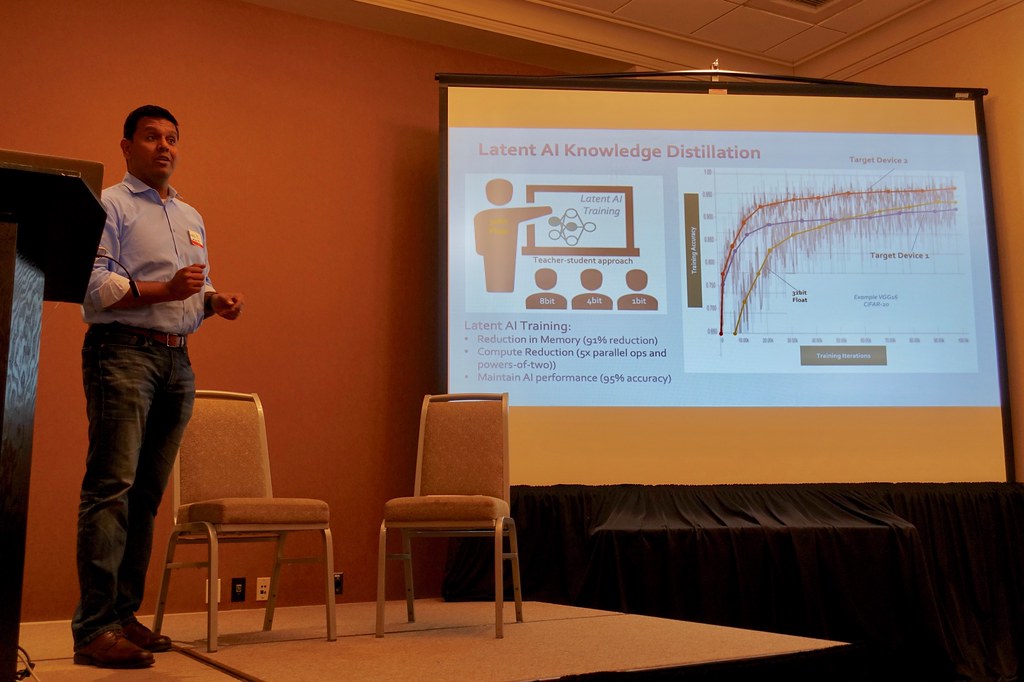


distributed AI inference is at the forefront of AI advancements, revolutionizing how we process and analyze data across multiple systems.
What is Distributed AI Inference?
Distributed AI inference refers to the process of performing artificial intelligence computations across multiple systems or devices rather than relying on a single centralized location. This approach enhances the efficiency, scalability, and speed of AI applications, making it an attractive solution for businesses and developers.
With the rise of large language models and complex data processing requirements, distributed AI inference allows for:
- Improved performance: Distributing workloads reduces latency and increases throughput.
- Scalability: Systems can be expanded easily by adding more nodes, accommodating growing data demands.
- Cost-effectiveness: Utilizing existing infrastructure can lower operational costs.
As companies like Google innovate in this space, distributed AI inference is becoming the best proven solution for organizations seeking to leverage the full power of AI technologies.
The Impact of LLM-D 1.0 on AI Technology
The launch of LLM-D 1.0 marks a significant milestone in the realm of distributed AI inference. This innovative model is designed to facilitate the processing of large datasets across multiple devices, thereby enhancing the efficiency and speed of AI applications.
One of the key impacts of LLM-D 1.0 on AI technology includes:
- Scalability: The model allows for seamless scaling, enabling organizations to handle larger workloads without compromising performance.
- Cost Efficiency: By optimizing resource allocation, companies can reduce operational costs associated with AI deployments.
- Improved Accuracy: Enhanced algorithms lead to better decision-making capabilities, making AI applications more reliable.
As LLM-D 1.0 continues to evolve, its role in shaping the future of distributed AI inference becomes increasingly vital.
Benefits of Using Distributed AI Solutions
Distributed AI inference offers numerous advantages that can significantly enhance operational efficiency and decision-making processes. Here are some key benefits:
- Scalability: It allows organizations to scale their AI capabilities seamlessly, accommodating growing data and user demands.
- Cost-Effectiveness: By distributing workloads across multiple nodes, companies can reduce infrastructure costs and optimize resource usage.
- Improved Latency: With localized processing, distributed AI solutions can minimize response times, delivering faster results.
- Enhanced Reliability: Distributed systems can offer greater fault tolerance, ensuring continuous operation even if one component fails.
- Flexible Deployment: Organizations can deploy models across various environments, from cloud to edge, making it adaptable to different needs.
These benefits make distributed AI inference a compelling choice for businesses looking to leverage advanced AI capabilities effectively.
Challenges in Implementing Distributed AI Inference
The implementation of distributed AI inference comes with several challenges that organizations must navigate to fully leverage its benefits. These challenges can impact performance, scalability, and overall effectiveness.
Some of the key hurdles include:
- Infrastructure Requirements: Establishing a robust infrastructure is necessary to support distributed systems, which can be resource-intensive.
- Latency Issues: Ensuring low latency during data transmission is crucial; otherwise, it can hinder real-time processing capabilities.
- Data Security: Maintaining data privacy and security across distributed networks poses significant risks that need to be managed.
- Integration Complexity: Integrating distributed AI solutions with existing systems can be complicated and may require specialized expertise.
Addressing these challenges is essential for organizations looking to implement distributed AI inference effectively.
Future Trends in AI Inference Technologies
As the demand for more efficient and scalable AI solutions continues to grow, the future of AI inference technologies appears promising. One of the most significant trends is the increasing adoption of distributed AI inference systems, which allow for parallel processing and reduced latency.
Experts predict a rise in the integration of edge computing, enabling real-time data processing closer to the source. This shift is expected to enhance the performance of AI models while minimizing bandwidth usage. Additionally, advancements in hardware, such as specialized AI chips, will further bolster the capabilities of distributed systems.
Moreover, the collaboration between various stakeholders, including tech companies and research institutions, is likely to lead to innovative solutions that address the current challenges in AI inference. These developments will pave the way for more robust and reliable AI applications across diverse industries.
By Gregory Rocher (IFREMER Centre Bretagne, IRSI-RIC – ZI de la Pointe du Diable – CS 10070 – 29280 Plouzané, France) via Openverse